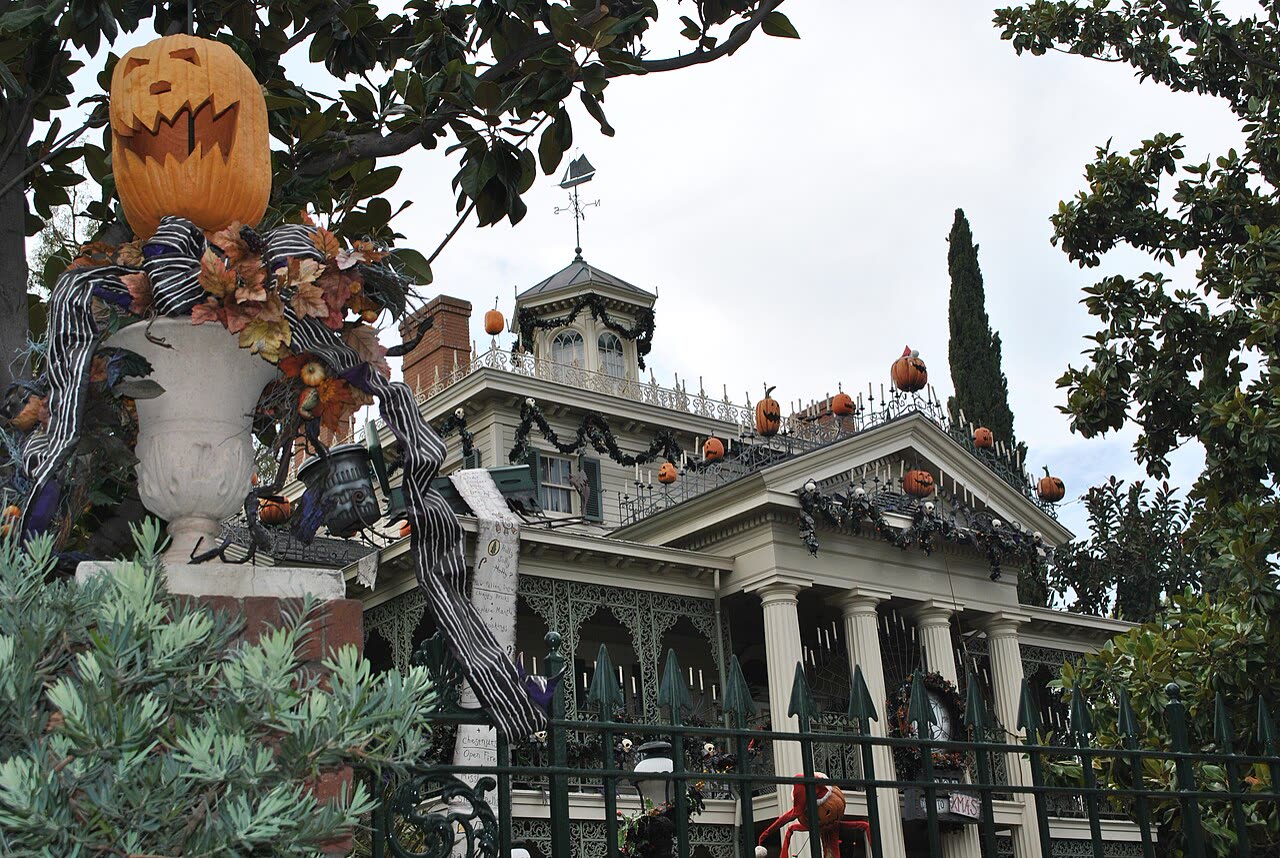
← Museum hallExhibit 003

Disneyland and Magic Kingdom · Since 1969

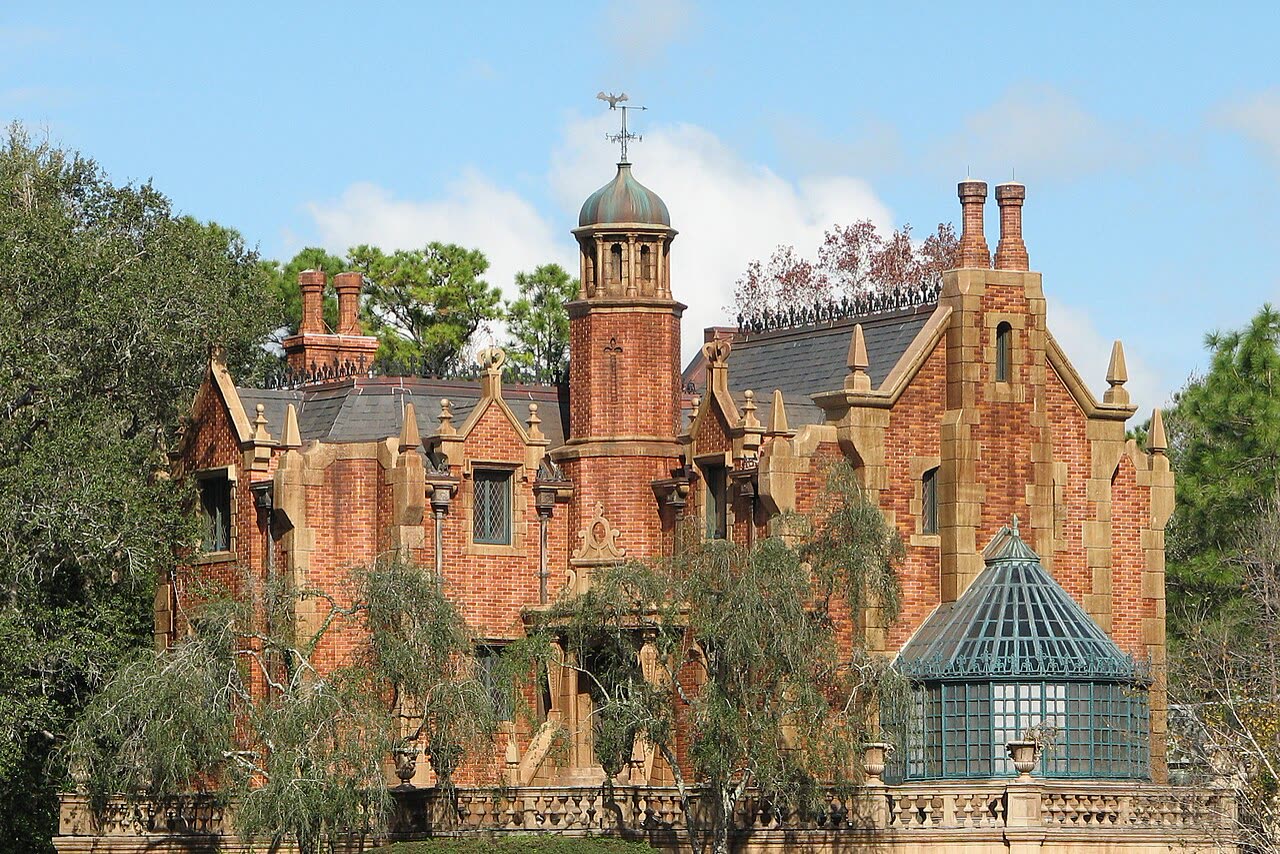
The Haunted Mansion Ballroom

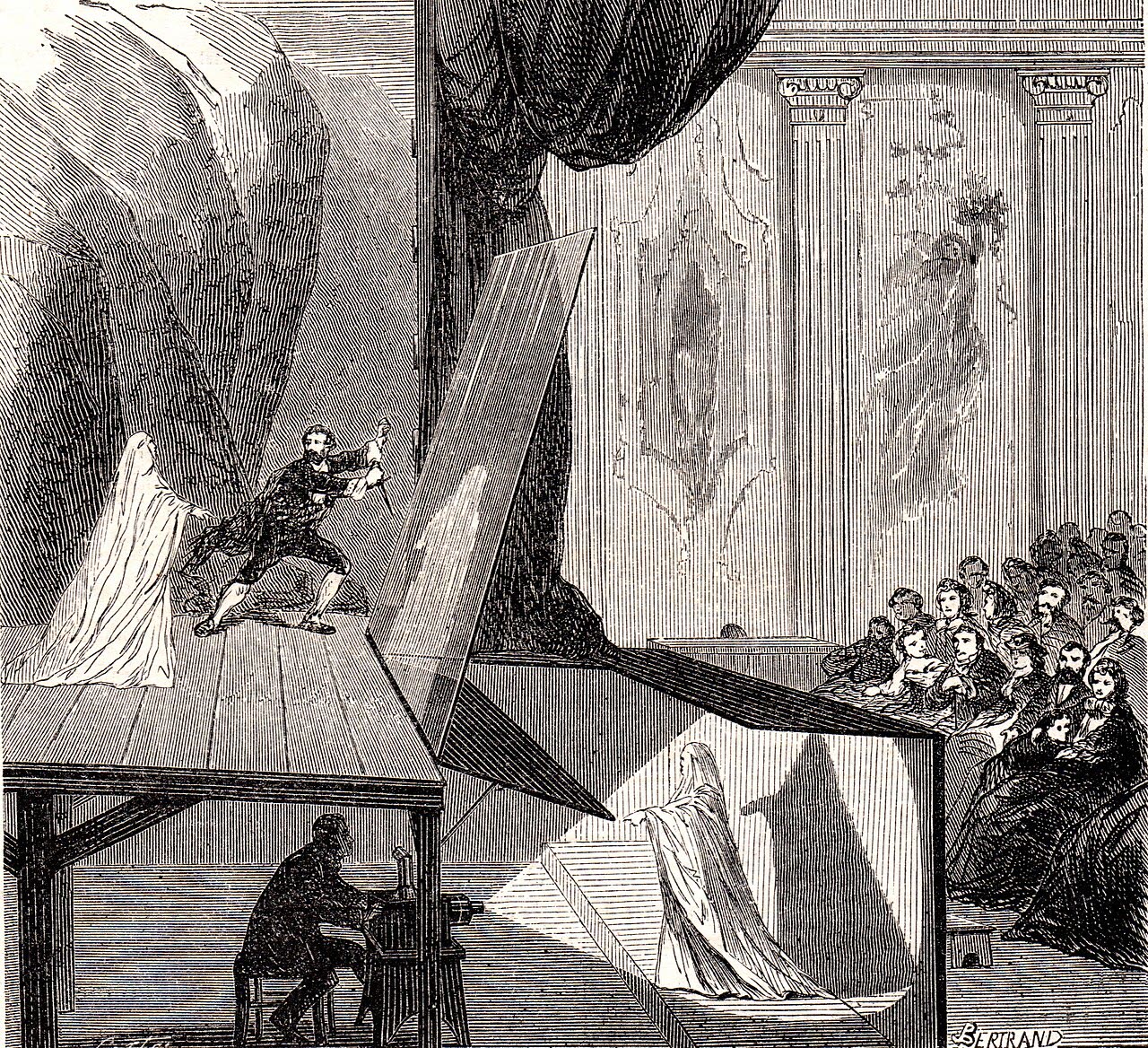
Every ghost in the ballroom is a reflection of a figure hidden above or below your Doom Buggy.

For a lot of people the ballroom is the best part of the Haunted Mansion. Your Doom Buggy turns onto a balcony and you look down on a party of see through ghosts in a room about 90 feet long. The dancers are actually hidden in black rooms above and below you, and what you see is their reflection in a sheet of glass around 30 feet tall. The effect is called Pepper’s ghost, and it was first shown on a London stage in 1862.

I The Viewing Booth

The secret behind the Haunted Mansion’s ballroom ghosts

II How It Works

Try itMake a ghost
3D model · drag to look around
Loading the model…

Step 1 of 5

Your view

This is roughly what you see from the Doom Buggy. You are up on a balcony looking down at the party, and nothing seems to be between you and the dancers.

Once you have been through the steps, try the sliders yourself.

III The Story

Elisa.rolle, CC BY-SA 4.0

1950s to 1969

Fifteen years to open

Walt Disney was talking about a haunted house before Disneyland even opened. Harper Goff did early sketches and Ken Anderson worked on story ideas. Handbills in 1961 said the mansion was coming, and the outside was finished on New Orleans Square by 1963. Then it sat empty.

The 1964 New York World’s Fair pulled Imagineers onto other projects, and Walt died in December 1966. The mansion soft opened on August 9 and 10, 1969 and officially opened August 12. It ran on the new Omnimover system, a continuous line of Doom Buggies that never stops.
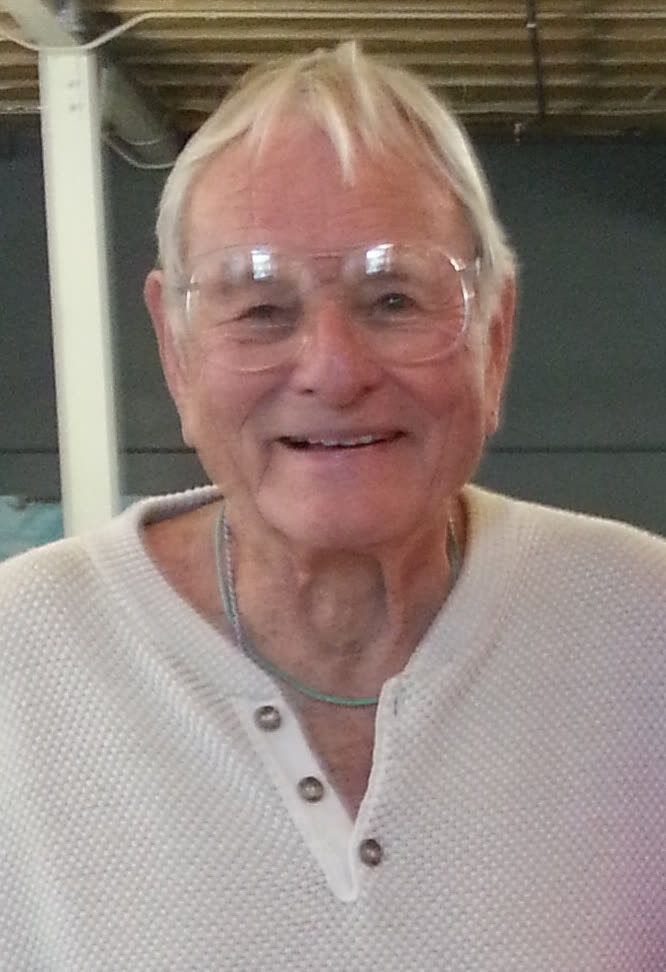
Christopher Chapman, CC BY 2.0

The Imagineers

Found in a hobby book

Yale Gracey, who handled illusions at the studio, found the effect written up in The Boy Mechanic, a 1913 book of projects, with drawings of a little skeleton and where to put the glass.

He and Rolly Crump built a full size test on a Disney Studios soundstage and spent years trying out ghost effects. The ballroom is basically that test, scaled up to a whole room.

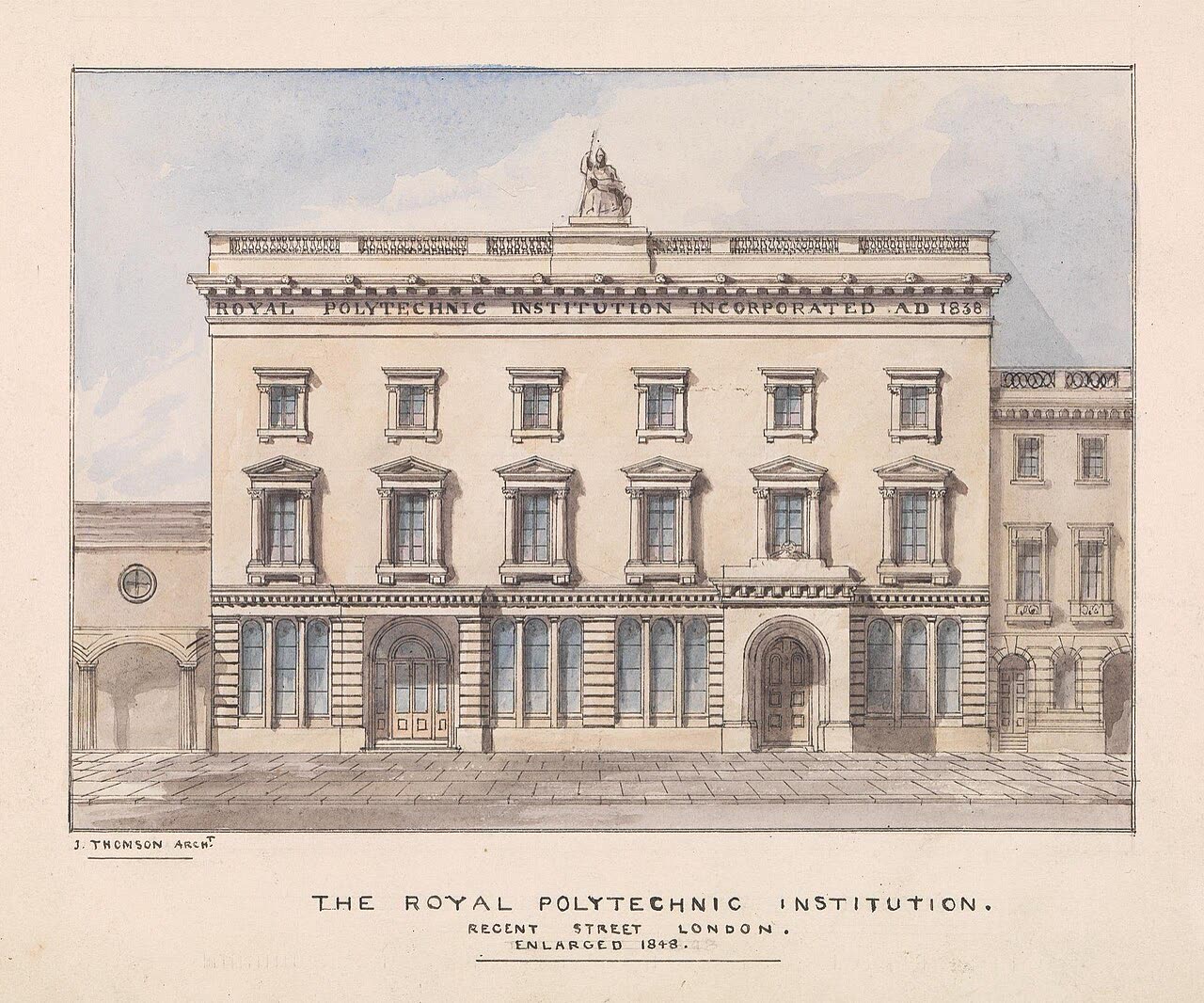
James Thomson, Yale Center for British Art, CC0

Christmas Eve, 1862

London, 1862

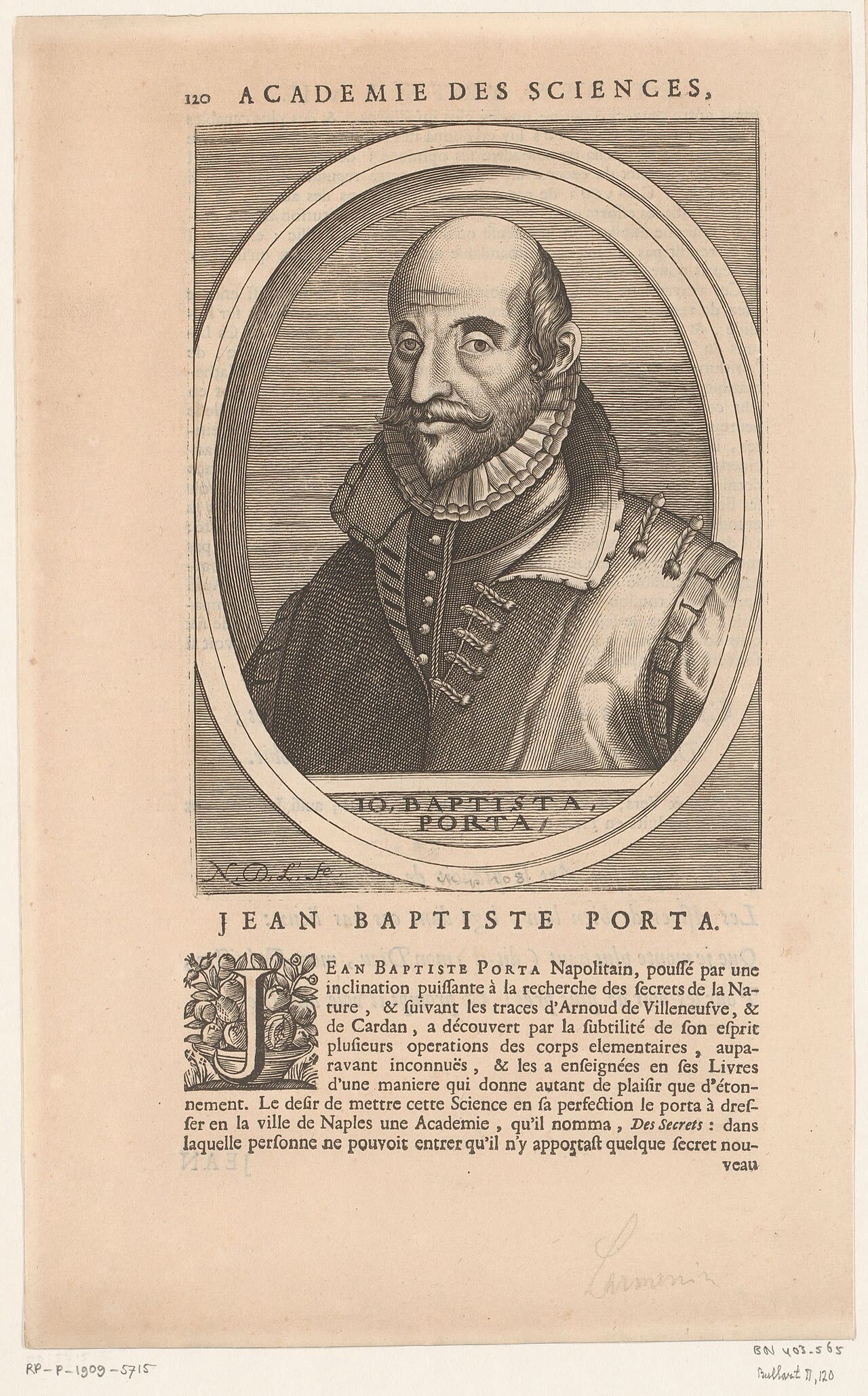
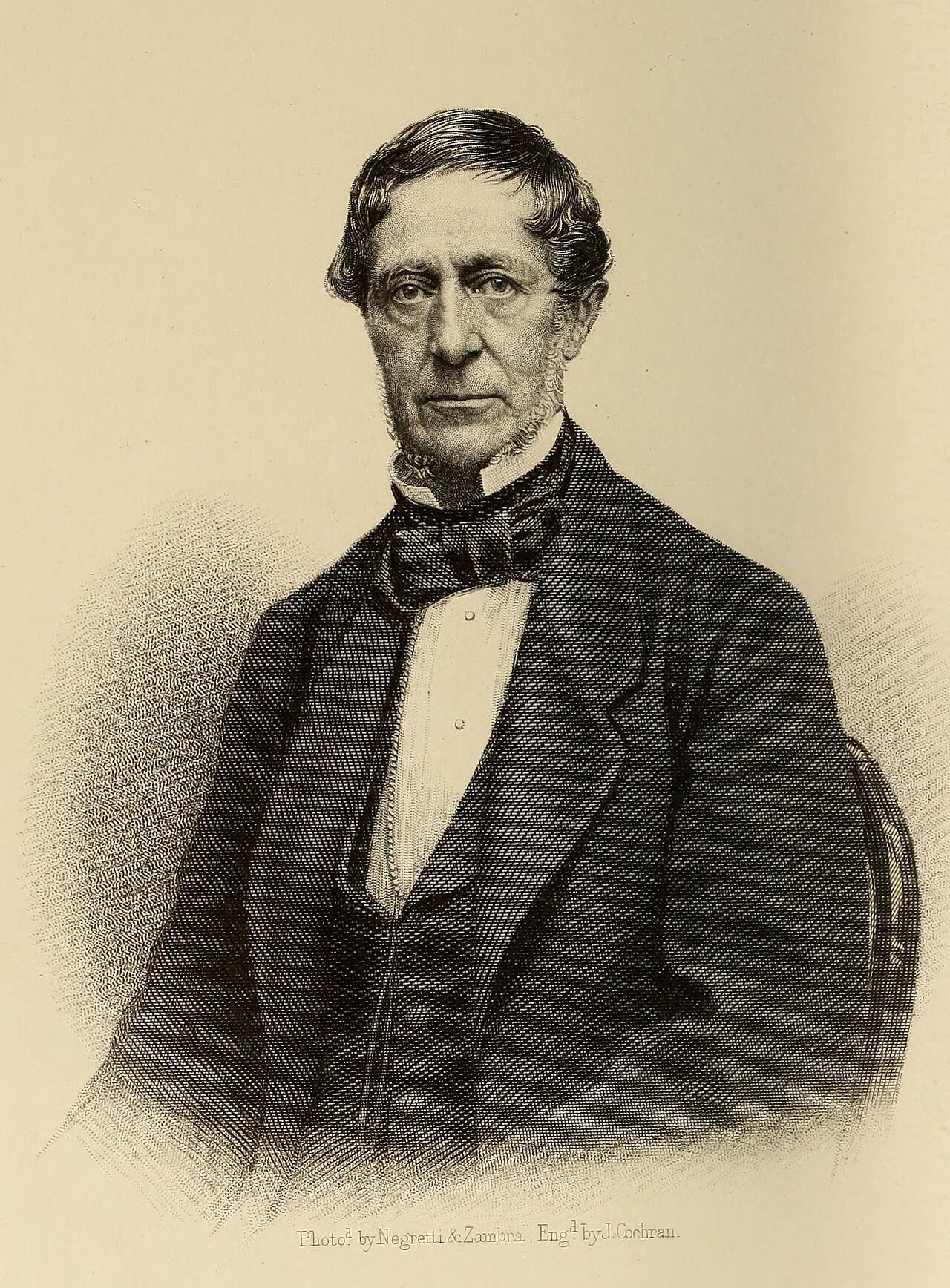
Giambattista della Porta wrote about reflecting images in glass in his Natural Magic back in 1589. In 1858 the engineer Henry Dircks designed a stage version, but theaters would have had to be rebuilt to use it.

John Henry Pepper at the Royal Polytechnic Institution worked out how to make it fit a normal stage and showed it on Christmas Eve 1862, in a scene from Charles Dickens’ The Haunted Man. He and Dircks patented it in 1863. Theaters rushed to copy it, and demand for large sheets of plate glass went way up.

JPLAND21 render

The ballroom

Who’s in the ballroom

Couples waltz around the floor. A ghost plays the organ while wraiths drift out of the pipes. Two men step out of their portraits and shoot at each other, someone blows out the candles on a birthday cake, and a few more hang off the chandelier.

Paul Frees is the Ghost Host, and Buddy Baker and X Atencio wrote Grim Grinning Ghosts, the song you hear all through the house. Every ghost in that room is a reflection.

90 ft
Ballroom length
30 ft
Glass height
1862
First shown in London
1589
Della Porta writes about it

IV Artifacts

Tap any case for a closer look.

V The Time Machine

Rijksmuseum, CC0
1589

Natural Magic

Della Porta writes about making images appear using glass.

1 / 7
1589185818621863196319691971

Drag the handle or use the arrow keys.

Photo credits

Photos from Wikimedia Commons under the licences listed, plus frames from the JPLAND21 Shorts.