All Hallows’ Eve Review: The Film That Introduced Art the Clown to the World
Before Terrifier became a worldwide horror phenomenon, Damien Leone combined two of his early short films with a new Halloween story to create Art the Clown’s first feature-length appearance.
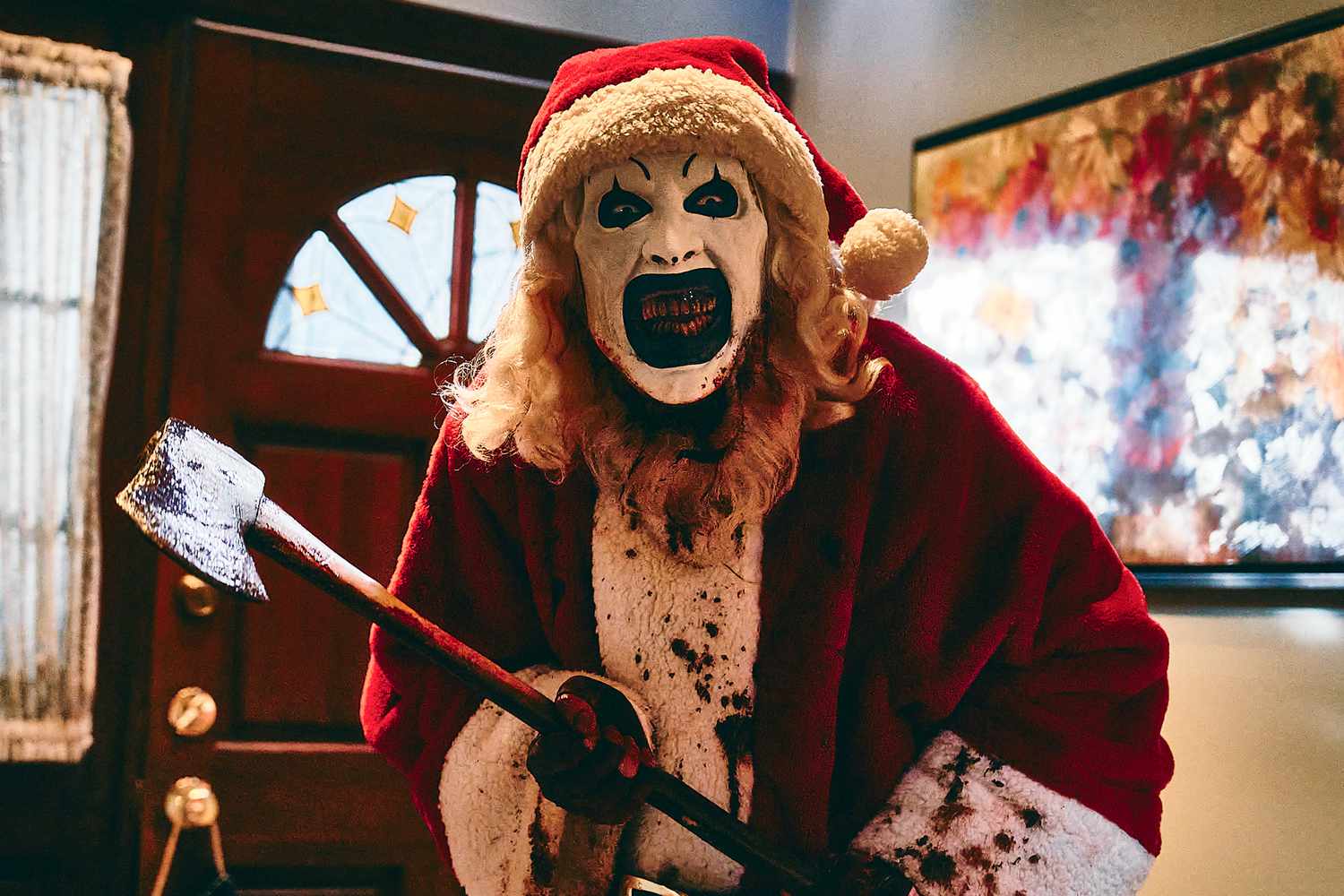
Before Art the Clown became the face of one of modern horror’s biggest independent franchises, he appeared inside a mysterious VHS tape discovered in a child’s trick-or-treat bag.
Released in 2013, Damien Leone’s All Hallows’ Eve is a low-budget horror anthology connected by Art, a silent black-and-white clown whose twisted personality immediately separates him from the other creatures hiding throughout the film.
It was not technically Art’s first appearance on screen. That happened years earlier in Leone’s short film The 9th Circle. However, All Hallows’ Eve was Art’s first feature-length appearance and the movie that placed Leone’s early experiments with the character into one complete Halloween nightmare.
What Is All Hallows’ Eve About?
The movie begins on Halloween night as babysitter Sarah watches two children, Timmy and Tia, after they return from trick-or-treating.
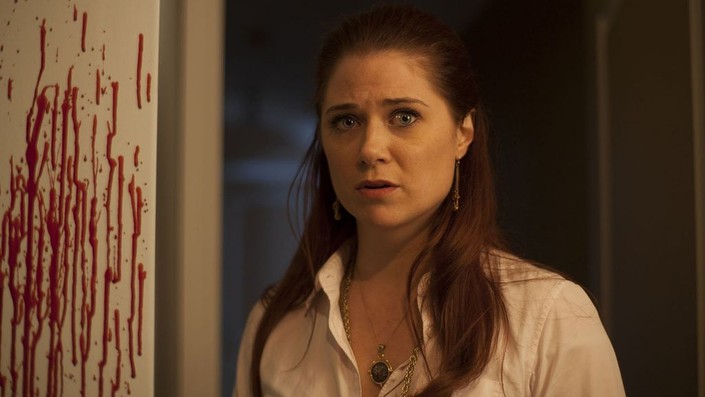
While sorting through their candy, Timmy discovers an unmarked VHS tape inside his bag. Despite Sarah’s hesitation, the children convince her to play it. The tape contains three disturbing stories involving kidnappings, supernatural creatures and brutal murder.
Art the Clown appears throughout the tape in different ways, sometimes as an active threat and sometimes as a strange figure connecting the stories together. As the night continues, Sarah begins to realize that the tape may not be an ordinary recording and that Art’s presence might not be confined to the television screen.
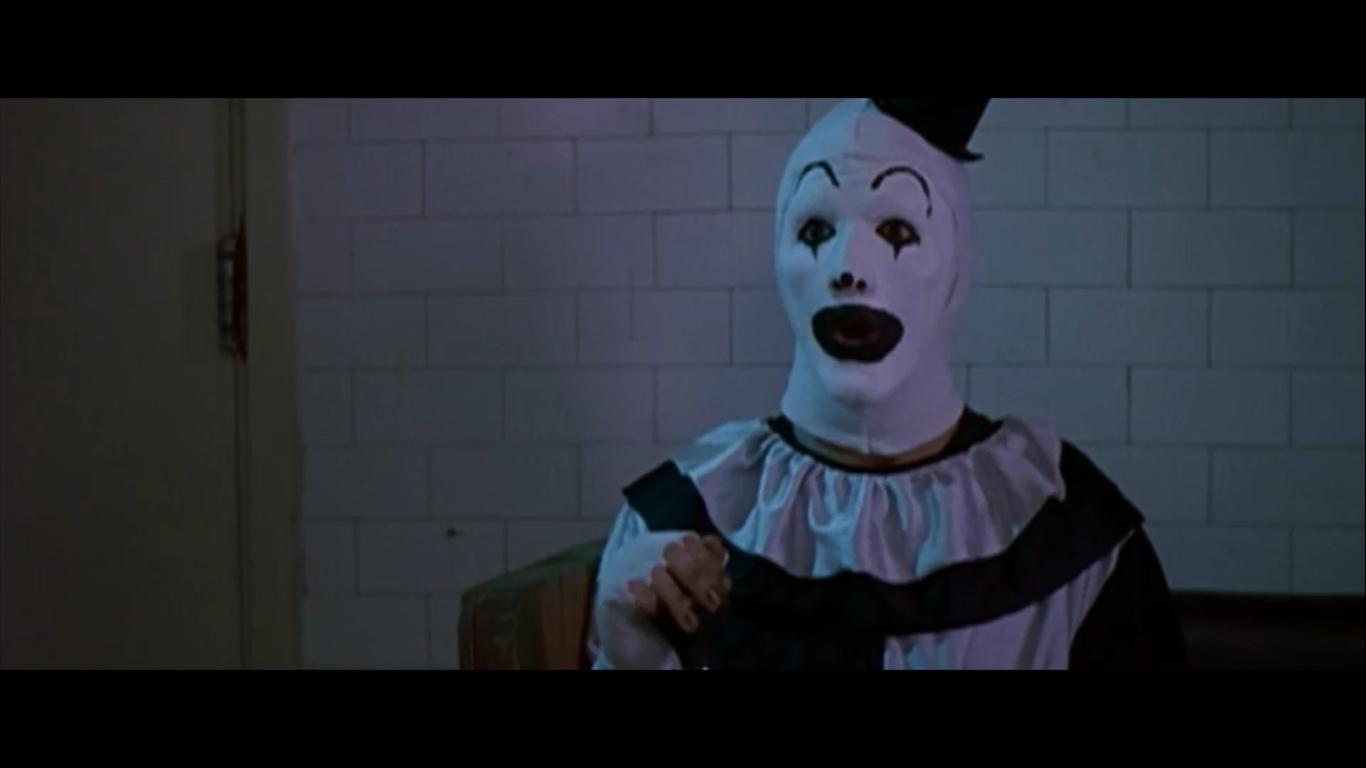
The wraparound story is simple, but effective. A dark living room, two frightened children and an unexplained tape are enough to create the feeling of watching something that was never meant to be found. The setup also gives the movie the atmosphere of an old Halloween urban legend.
How The 9th Circle Was Included
The first story on the VHS tape is largely built from The 9th Circle, Damien Leone’s early short film and the production that officially introduced Art the Clown.
In that story, a young woman waiting at a train station is approached by Art, who silently torments her before abducting her. She eventually awakens inside an underground chamber filled with imprisoned women, deformed creatures and members of a satanic cult.
Art’s role is surprisingly limited. Rather than acting as the primary villain, he appears to be delivering the woman to the supernatural forces beneath the station.
Leone has explained that Art only appeared for approximately four minutes in The 9th Circle, but the character made enough of an impression that he decided to explore him further. That led to the separate Terrifier short, which placed Art at the center of the story.
Both shorts were eventually incorporated into All Hallows’ Eve. Producer Jesse Baget discovered The 9th Circle and Terrifier online and originally approached Leone about including them in an anthology with work from multiple filmmakers. Leone convinced him to allow the entire feature to be directed by one person instead.
That production history explains why All Hallows’ Eve sometimes feels less like one carefully planned movie and more like several different nightmares stitched together.
Leone later acknowledged that the film was not originally written as a complete feature. The first and final stories already existed as separate shorts, while the babysitter scenes and the middle segment were created to connect them and expand the material into a full-length anthology.
Three Very Different Nightmares
The first segment is easily the strangest.
Its train station setup begins like a grounded kidnapping story before suddenly descending into satanic rituals, monsters and imagery that feels pulled from a fever dream. The story is messy and does not explain much, but its unpredictability gives it a deeply unpleasant atmosphere.
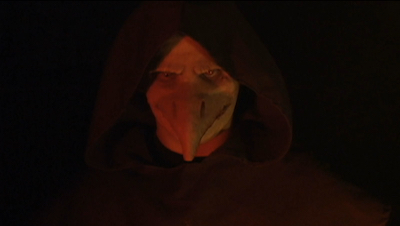
The second segment follows a woman isolated inside a house as she becomes convinced something inhuman has arrived nearby. This chapter shifts away from slasher horror and moves into science fiction, creating a completely different tone.
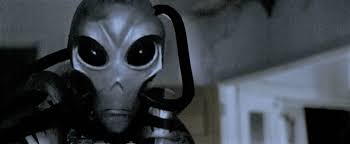
It is also the weakest part of the movie.
There are a few effective moments of suspense, particularly when the woman realizes she is not alone, but the creature design and digital effects expose the production’s limited budget. The story feels disconnected from Art and delays the movie from reaching its strongest material.
Leone himself later described the alien chapter as material written to help connect the previously completed shorts and turn the project into a feature. He also said he considered including Art in the second story but decided it could weaken the impact of the final segment.
The third story is where All Hallows’ Eve finally becomes the movie most Terrifier fans are expecting.
A woman driving alone at night encounters Art at an isolated gas station. After witnessing him attacking the attendant, she attempts to escape, but Art continues appearing along the road as though he is always one step ahead of her.
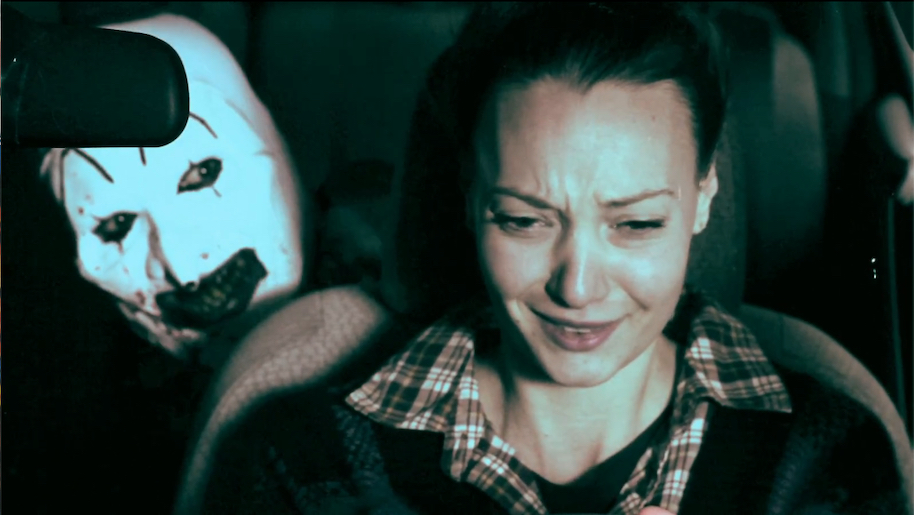
This segment originally existed as Leone’s 2011 short film Terrifier. Unlike his appearance in The 9th Circle, Art is now the main villain. His personality, physical comedy and complete lack of mercy are much closer to what audiences would eventually see in the feature films.
Art the Clown Steals the Movie
Mike Giannelli plays Art in All Hallows’ Eve, years before David Howard Thornton took over the role beginning with the 2016 Terrifier feature.
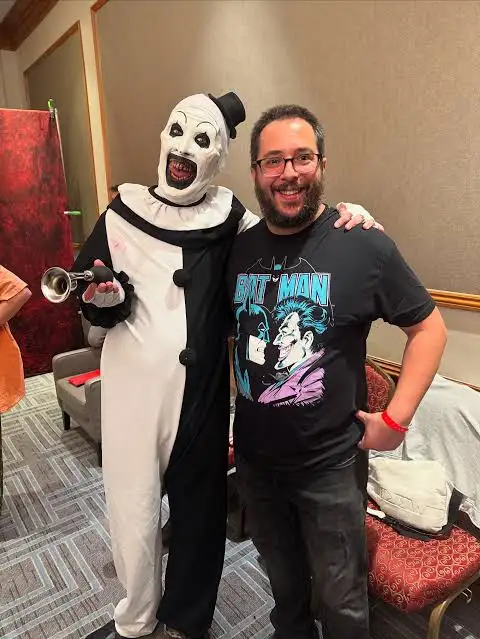
Giannelli’s Art is slightly rougher than the version audiences know today, but nearly everything important is already there.
He never speaks. He reacts to violence with exaggerated excitement. He performs like a mime, stretching every smile and gesture until something playful becomes threatening. Most importantly, Art appears to genuinely enjoy frightening people.
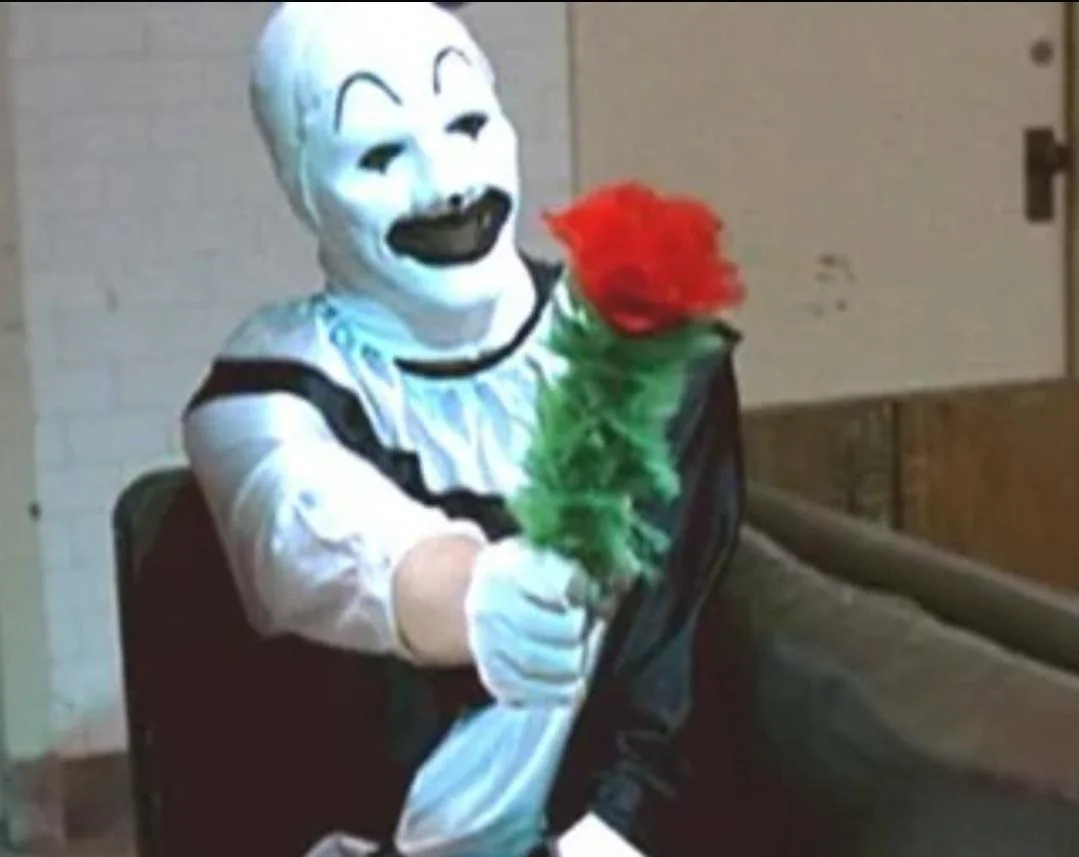
Many horror villains are frightening because they are emotionless. Art is frightening because he has too much personality.
He does not simply attack his victims. He mocks them, plays with them and treats their terror like part of a performance. That sadistic sense of humor would eventually become one of the defining qualities of the entire Terrifier franchise.
The most effective moments in All Hallows’ Eve are not always the bloodiest. Some of the best scenes simply involve Art staring through the television or appearing somewhere he should not be. The movie understands that a silent clown watching from a distance can sometimes be more frightening than another elaborate kill.
The Review
All Hallows’ Eve is uneven, cheap and occasionally frustrating, but it also has a grimy Halloween atmosphere that is difficult to recreate with a polished studio production.
The anthology structure works in the movie’s favor and against it.
Each segment offers something different, but the shifts in tone can be distracting. The satanic horror of The 9th Circle, the alien home invasion and the brutal slasher story do not always feel like they belong in the same movie.
The pacing also suffers whenever Art disappears for too long. Even Leone later agreed that the character was absent for too much of the feature, though he still viewed the film as an effective introduction to him.
Still, the roughness is part of the appeal.
The movie feels like a cursed tape discovered at the bottom of an old box. Its imperfections make it unpredictable, and Leone’s practical effects background gives many of the violent moments a physical ugliness that digital blood could not achieve.
The strongest material is clearly the Art-focused content. The first segment is interesting because it contains his earliest screen appearance, while the final story proves that he was capable of carrying an entire film by himself.
The wraparound conclusion also delivers one of the movie’s best ideas by gradually erasing the line between the VHS recording and the room where Sarah is watching it. By the end, Art no longer feels like a character inside the tape. He feels like something the tape has released.
The Beginning of Something Much Bigger
All Hallows’ Eve is not officially required viewing before the later Terrifier movies, and its stories do not perfectly align with the continuity Leone eventually created.
However, it remains one of the most important pieces of Art the Clown’s history.
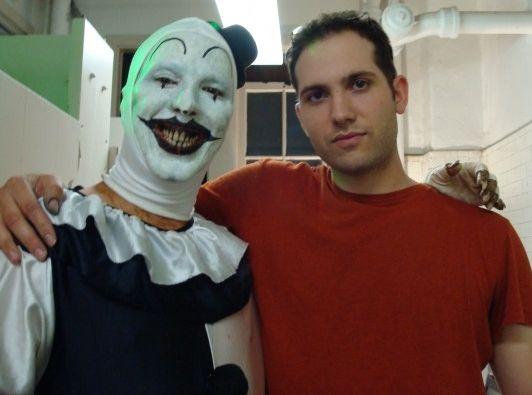
The film preserves Art’s first appearance from The 9th Circle, includes the original Terrifier short and surrounds both with a Halloween story that helped introduce the character to a much larger audience.
It also captures Damien Leone at an interesting point in his career. He had discovered a character with enormous potential, but he had not yet fully realized how important Art would become.
Three years later, Art received his own feature film. The sequels would become larger, more violent and more ambitious, but the foundations were already visible here.
Final Verdict
All Hallows’ Eve is a flawed but memorable horror anthology that becomes significantly stronger whenever Art the Clown appears.
The middle chapter drags, the stories do not always connect naturally and the limited budget is impossible to hide. However, its Halloween atmosphere, practical effects and genuinely disturbing ending make it worth revisiting.
More importantly, it offers a fascinating look at Art before he became a horror icon. The 9th Circle may have been his true first screen appearance, but All Hallows’ Eve was where the world began to notice him.
Rating: 6.5/10
/ More from FirstDrop
 Horror News
YouTube Exec Predicts More YouTubers Will Follow Obsession and Backrooms to Oscar Contention
Pedro Pina says viral creators are defining culture and shaping the future of cinema, with more box office success st…
 Horror News
Resident Evil Targets Franchise Best Opening Weekend With $40 to $60 Million
Zach Cregger's reboot is expected to shatter the franchise's opening weekend record, with strong reviews and word of …
 Horror News
Zach Cregger's Resident Evil Is a 90 Minute Survival Horror Comedy That Feels Like Playing a Video Game
The Barbarian and Weapons director brings his signature dark humor to the franchise with an original story starring A…
 Horror News
James Murray Wrote Horror Novel Don't Move, Now a New Movie in Theaters
The Impractical Jokers star turned his horror novel into a film and plans surprise theater appearances to watch it wi…